

layers
signifier of taste

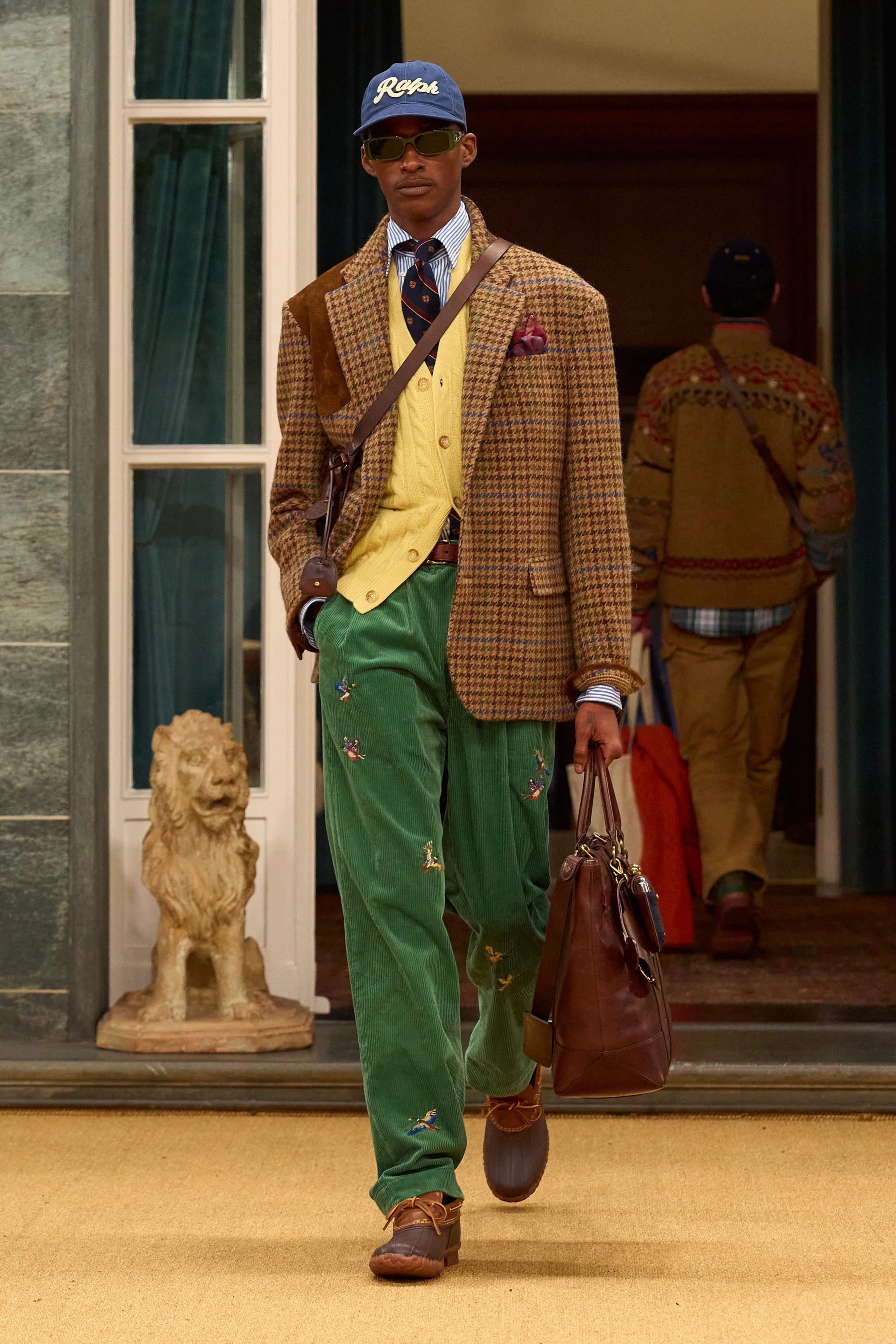
Last month, the Men’s shows in Paris and Milan left me with an unexpected jolt of inspiration, more than menswear ever has before. It all started with the Ralph Lauren show. Then the Dior show. By the time Hermès wrapped things up, I was practically buzzing. Which is when I stopped to ask myself why exactly these shows were having such an intense effect on me. It clicked. It was not just about the clothes, it was the styling. The over emphasized layering, show after show after show.
My dad’s personal style was defined by layers. A predictable uniform comprised of a classic button-down shirt layered underneath a sweater, sometimes two. It even went a layer deeper, with at least one undershirt, something that was beyond my perception until my days as a caretaker began. He dressed as if he were always too cold in his home. Holland is a cold country, he would tell me. There was also his physique, which hardly helped hold any warmth, his tall, lean limbs devoid of body fat despite going through multiple loaves of bread per week. While mostly functional, his approach to styling himself communicated a consistent level of refinement. Not once did I see my dad wearing sweats, or even pajamas. Whether he was spending the day with me at an art gallery in Amsterdam or simply meandering around his countryside house listening to records in between cappuccinos, the uniform was always in tact.
It was simple, yes, but it instilled upon me a signifier of taste that I didn’t recognize until I hit my late 20s, around the time I really started to come into my own personal style. I was obsessed with fashion for as long as I can remember, which turned into studying then working in it. So, up until that point, experimentation and trend adaptation were the defining factors in how I chose to dress myself.
I have a photo of us on my fridge in Paris during summer ‘08 that perfectly shows our contrast at the time. The temperature was scorching, I remember the sweat beads forming within minutes of sun exposure, which also left a light pink coating on my shoulders. There I was, in a lagoon blue tube top joined in the middle with a faux-wooden circle, a pleated knit mini skirt, a tiny knockoff black Louis Vuitton Murakami Speedy, and giant circle tortoise shell sunglasses. Paris Hilton and Nicole Richie were profoundly formative. Meanwhile, there he was, in his reliable button down shirt, sleeves rolled up to the forearms, a light sweater draped over his shoulders, and his warm weather pants, linen, he assured me. Pants I now have hanging in my closet, tailored to hug my waist and hemmed to no longer drag on the sidewalk.
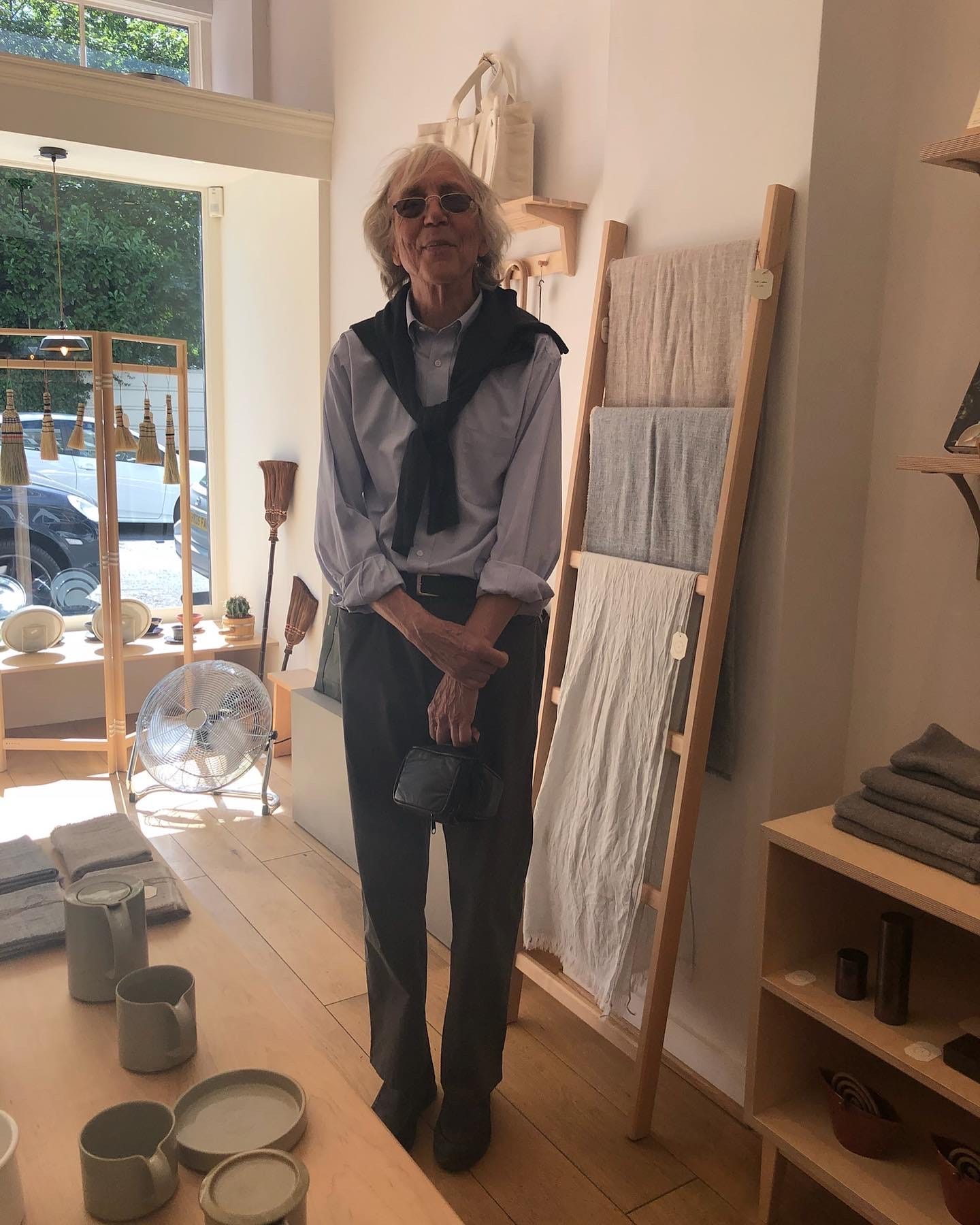
When he died I felt closest to him wearing his clothes. I still do. And it wasn’t just because of their ability to retain his scent for a limited period of time, a scent I would spend my entire life savings to bottle up and experience again. It was more than that, though. Because by the end of my 20s something shifted. I knew what I felt best wearing and was no longer tempted by a fad. And I was instinctively gravitating towards a sneakily familiar combination in my own routine of dressing. Because what felt the most like me, my internal sense of home, was dressing like him.
Which is maybe unsurprising because he was the one who recognized my love for fashion early and nurtured it. He took me to museum exhibitions like Peter Lindbergh and Jean Paul Gaultier at the Kunsthal in Rotterdam, and a Dries Van Noten retrospective that required a train to Antwerp because I was learning about the design techniques of the Antwerp Six in college. The older and more serious I became about pursuing a career in fashion, the more he was able to flex his discerning taste. And have the opportunity to show me where my quality over quantity preferences originated from.
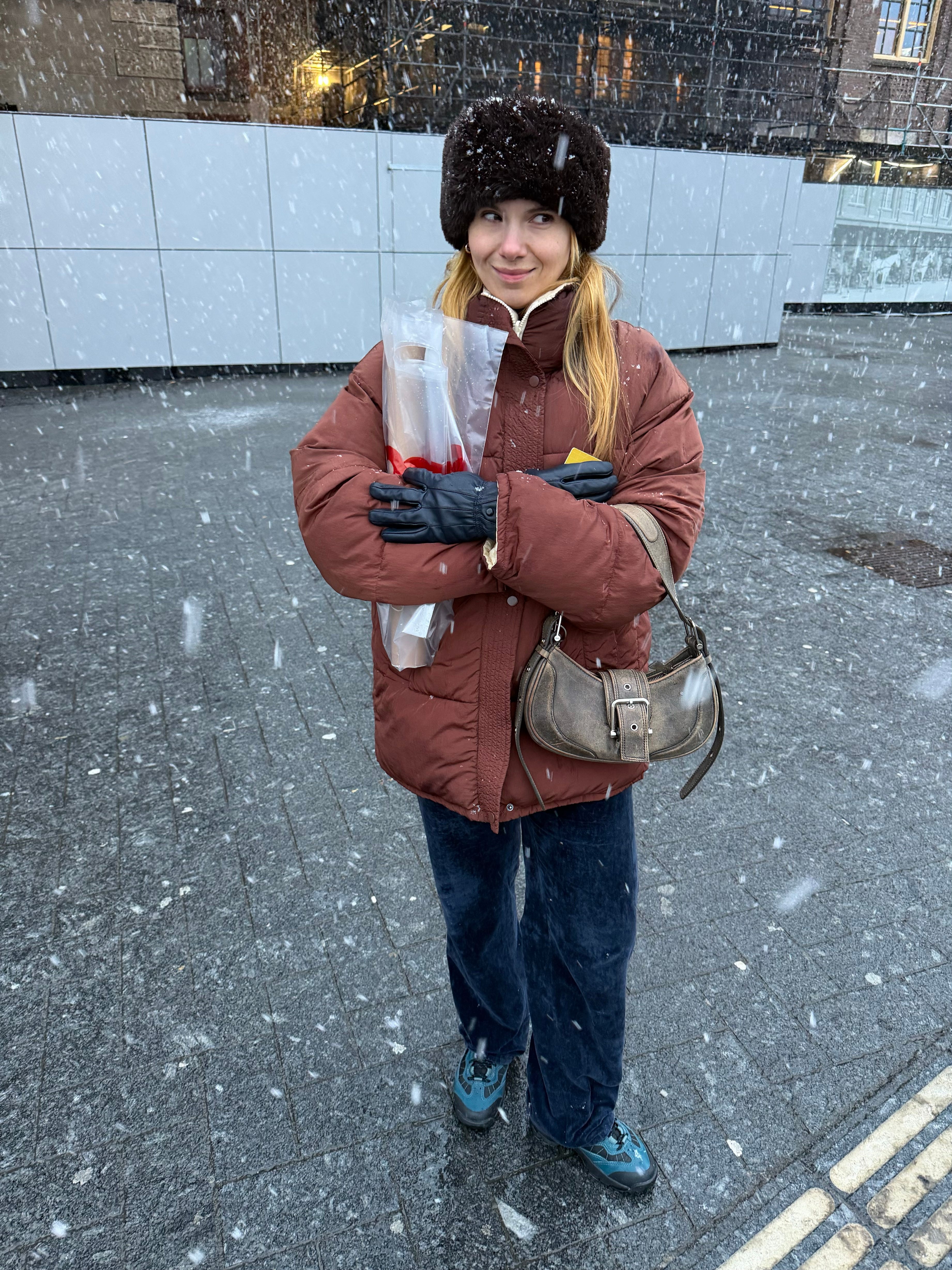
I could count on one hand the number of shirts, sweaters, and pants he owned based on his reliable rotation. Nice jeans, I would say, whenever he proudly wore his Gianni-era bright blue denim. To which he would respond, Versace. His pieces by Dries van Noten, two jackets and a pair of navy velvet pants, were anointed as the highest ranking in his closet. Second only to the two sweaters that were hand-knitted by his mother in the 1960s. I have them all in my closet today. Just last month I wore the velvet Dries pants to stay warm in the cool Dutch air, paired with one of the sweaters knitted by my Oma and layered over a thin cashmere undershirt.
To get existential with it, the timing of this burst of inspiration doesn’t feel coincidental. Over the last few years I’ve been feeling a pull back towards an artistry and industry I’ve loved since childhood, but walked away from due to impatience and what I perceived as an infertile place for my ambition to grow. And when I did walk away, I had to really disconnect. It was like processing a break up. No contact would be the most effective way to get me through it. I stopped looking at runway shows every season, avoided the magazines that raised me, and vocalized my rejection of my past life. I was young, and run by ego. The truth is I hated that I hadn’t become the wunderkind success I expected to be at the age of 24.
Even as I became more and more removed from working in the industry, my love remained. My tradition of sourcing rare vintage designer pieces in any city I visited. The rush I felt when I discovered a budding designer before they got scooped up by Net-a-Porter.
I think if he were still here none of this would surprise him. I think he probably knew I would find my way back to where my heart always was. He was a psychologist, after all. He would probably tell me I needed to walk away to be able to come back with a new perspective. To be able to see that it was never just about the clothes. It’s about the feeling they invoked. The play. The fun. The hope. And the ability to turn all of us into that confident alter-ego who feels like they just might be able to change their corner of the world. Sounds pretty existential to me.
xoxox Merel